The scandal behind the scandals
George Cottrell, Nigel Farage, Arron Banks and Nathan Gill all point to the same unanswered questions

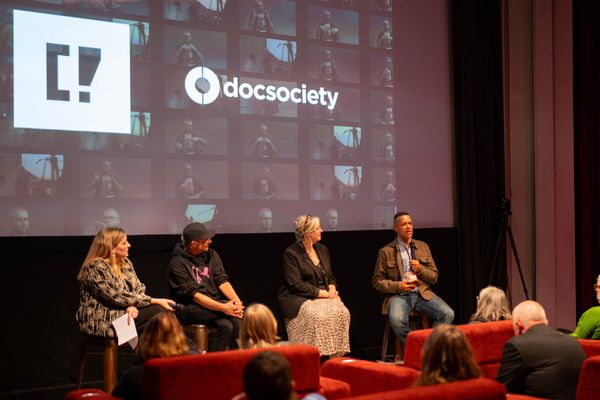
“I’d like to begin with Nathan Gill,” said our founder Carole Cadwalladr on Tuesday morning, opening a public hearing on why the UK still needs a full public inquiry into foreign subversion.
Gill, the former UKIP and Reform UK politician, was recently jailed for ten and a half years at the Old Bailey. He had pleaded guilty to accepting thousands in Kremlin bribes from a sanctioned pro-Russian handler, Oleg Voloshyn, to read literal Moscow-scripted propaganda inside the European Parliament. It stands as one of the most damning, high-level prosecutions for foreign political subversion anywhere in Europe.
“And yet,” Cadwalladr argued, “the one place it hasn’t been investigated is Britain.”
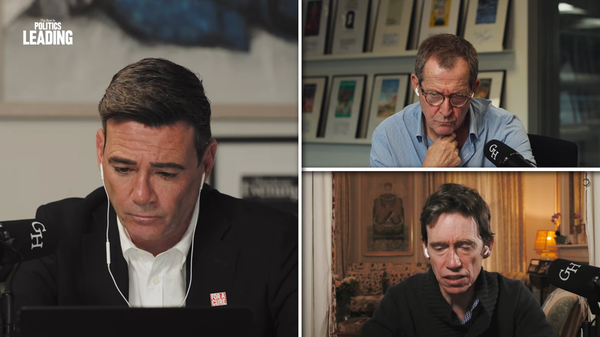
Cadwalladr was speaking at the first of two expert witness hearings convened by Sergei Cristo and us, The Citizens, to build the case for a full public inquiry into Russian interference. Joining her were former Attorney General Dominic Grieve, former MI6 officer Christopher Steele, Marina Litvinenko—the widow of Alexander Litvinenko—and Green MP and Westminster leader Ellie Chowns, alongside experts from intelligence, law and politics. We'll be publishing more of their evidence over the coming weeks.
Throughout the morning, expert witnesses laid out how powerful actors can exploit the structural blind spots in British democracy. Then, just hours later, Nigel Farage appeared to prove their point.
He abruptly resigned his seat - a tactical manoeuvre timed precisely to freeze an active parliamentary standards probe into his undeclared financial backing from convicted fraudster George Cottrell.
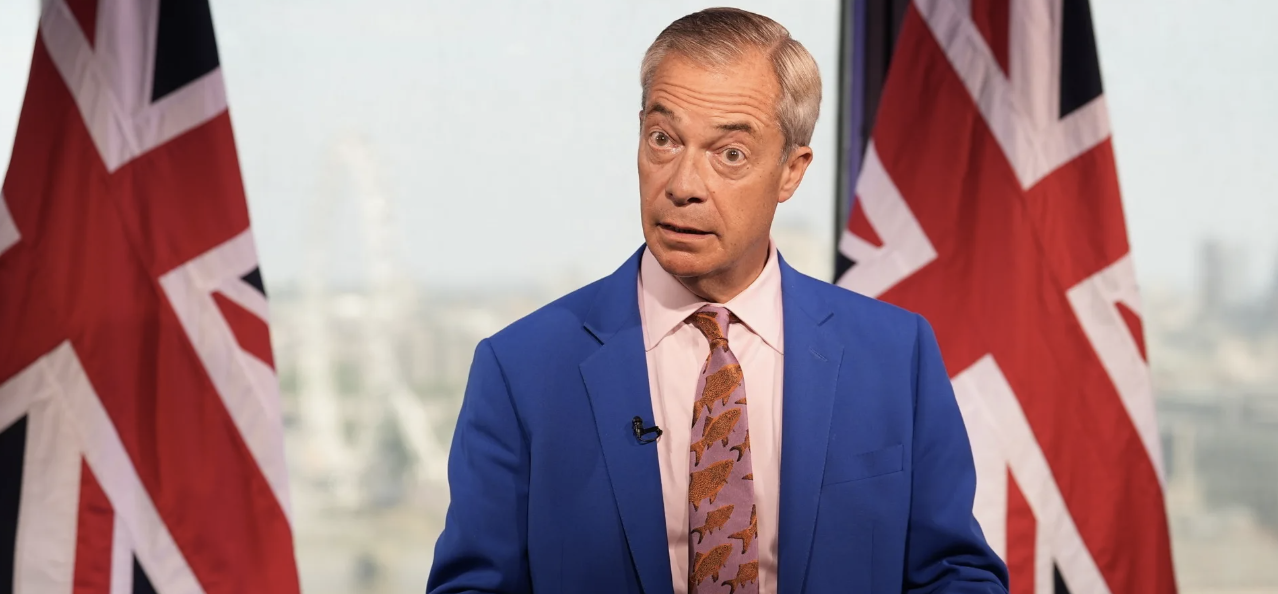
But Cadwalladr’s evidence wasn’t really about Farage so much as the pattern he forms part of. For more than a decade, the same names have kept resurfacing, yet only now are people beginning to ask how they fit together. She pointed the committee towards four names: Farage, Gill, George Cottrell and Arron Banks.
What connects these scandals is a systemic failure of oversight that actively shelters hidden wealth. A political system where opaque funding, weak oversight and foreign influence have repeatedly intersected without ever being examined as a whole.
🕸️ Mapping the web
George Cottrell, Cadwalladr said, has been “hiding in plain sight” for more than a decade. “For years, nobody asked serious questions,” she said. “Only now are we catching up."
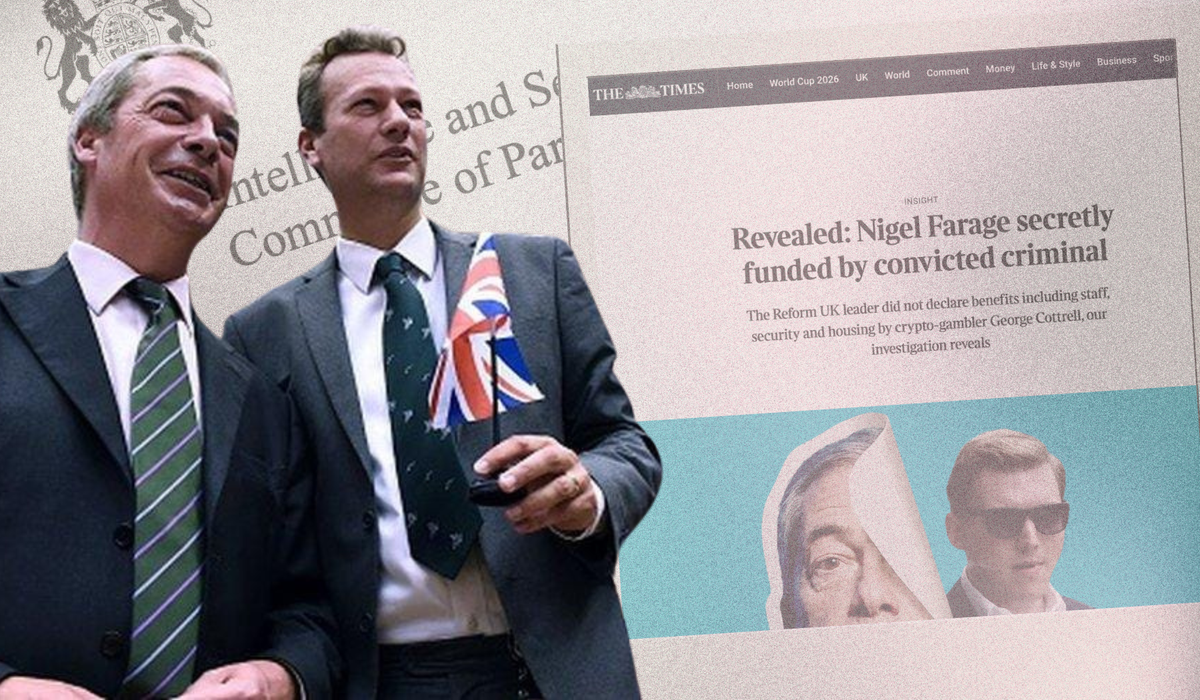
In the days leading up to the hearing, a major Sunday Times investigation began unpicking the financial support George Cottrell - the former head of UKIP fundraising and convicted US federal fraudster - allegedly provided to Nigel Farage in the year before he became an MP. The investigation reported that Farage failed to declare a range of “benefits in kind”, including accommodation, private security, transport and staff.
It found that he spent the year leading up to his election making rent-free use of a five-storey house near Buckingham Palace, ferried around in Land Rovers and shielded by private security–all funded “in kind” by Cottrell.
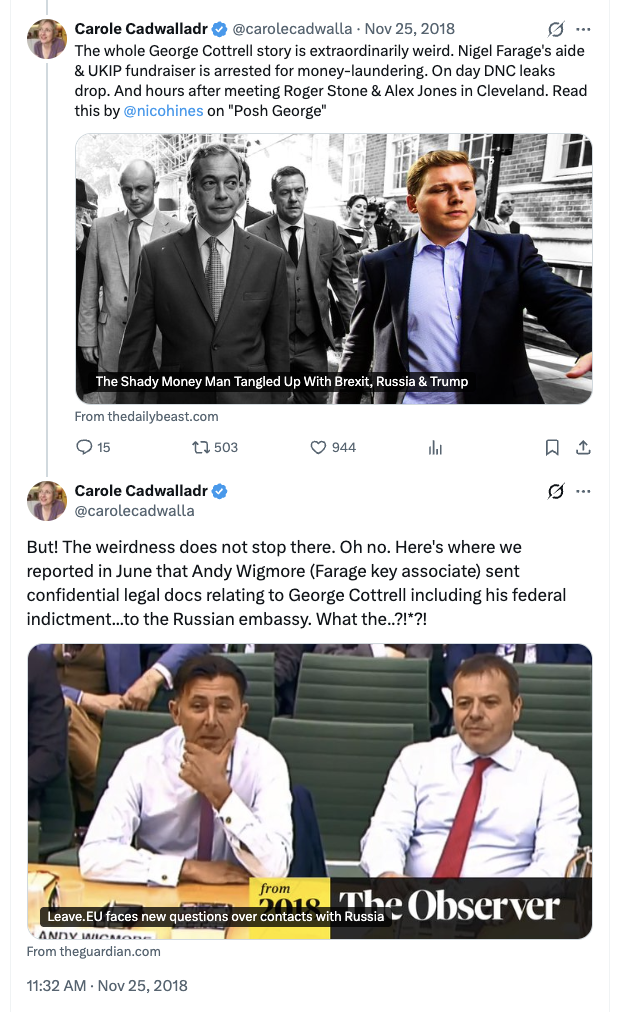
The document trail involving Cottrell stretches right back to the Brexit campaign itself. In 2018, Carole Cadwalladr and Peter Jukes revealed that Andy Wigmore, the spokesman for Leave.EU, had forwarded confidential legal documents relating to Cottrell’s FBI arrest - including details of the money-laundering allegations against him - to a senior Russian diplomat.
The email, marked “Fw Cottrell docs – Eyes Only,” contained legal papers relating to Cottrell’s arrest on money laundering, bribery and wire fraud charges. Wigmore allegedly sent them to a Russian embassy official with a short message: “Have fun with this.”
Wigmore was also the business partner of Arron Banks, the businessman who became the biggest political donor in British history after pouring £9 million into the Brexit campaign.
Just a week earlier, Cadwalladr and Jukes had revealed documents suggesting Banks’ relationship with the Russian embassy was far closer than he had publicly acknowledged. Rather than the “one boozy lunch” Banks had previously described, the documents pointed to multiple meetings with senior Russian officials in the run-up to the Brexit referendum, introductions to Russian business interests, a trip to Moscow to discuss a proposed gold-mining venture, and continued contact throughout both the referendum campaign and Donald Trump’s 2016 presidential campaign.
🔎 The illusion of reform
The recent wave of Suspicious Activity Reports (SARs) involving the same small network of senior figures connected to Reform UK -from Cottrell to Tice and Harborne, whose £5 million gift to Farage is at the heart of the current controversy - raises obvious questions about whether our institutions are equipped to scrutinise modern political finance, and whether investigators are seeing the bigger picture.
The truth is, whether money is channelled through offshore crypto businesses or masked by domestic proxies, Britain’s regulatory system lacks the powers and transparency needed to establish where political funding ultimately comes from.
Only last week, ministers announced that the Representation of the People Bill would implement the recommendations from the Rycroft Review, including a £100,000 annual cap on political donations from British expats living overseas.
But the review itself was a toothless, three-month exercise explicitly barred from examining Brexit or historical subversion. It failed to examine how Russian financial, political, media and social-media operations reinforced one another. It failed to look at how the 2016 Brexit referendum was funded or influenced. And it failed to recommend an overall cap on domestic political donations.
Labour MPs are now canvassing support for four amendments to the Representation of the People Bill, including a permanent ban on cryptocurrency political donations.
Those amendments are a step in the right direction. But we believe Britain still hasn't addressed the deeper failures these cases expose, which is what our public hearings set out to examine.
Over the coming months, we’ll be publishing the testimony in full, releasing recordings from the event and using that evidence to continue our campaign for a full public inquiry into Russian interference—beginning with amendments to the Representation of the People Bill.
From Banks’ undisclosed meetings with Russian officials to Gill’s conviction for accepting pro-Russian payments and Cottrell’s long-running role in Farage’s political orbit, the same blind spots have been exploited for more than a decade. We’ve spent ten years staring at the individual pieces. It’s time Britain looked at the whole picture.
Thanks for reading!
See you next time,
Team Citizens
About Citizens Understand: In an era where technology is reshaping democracy faster than laws can keep up and power is increasingly exercised through platforms, Citizens Understand exists to cut through misinformation and make complex systems legible. If there’s something you’d like to understand, email lillian@the-citizens.com.